Claude Opus 5 is the new default Opus
Claude Opus 5 is now the default Opus model, featuring a 1M context window, fast mode at $10/$50 per Mtok, three-level subagent nesting, and background /code-review. Also inside: Bloomberg on Opus 5 pricing, the AMD-Anthropic chips deal, and a judge's approval of the $1.5B books settlement.
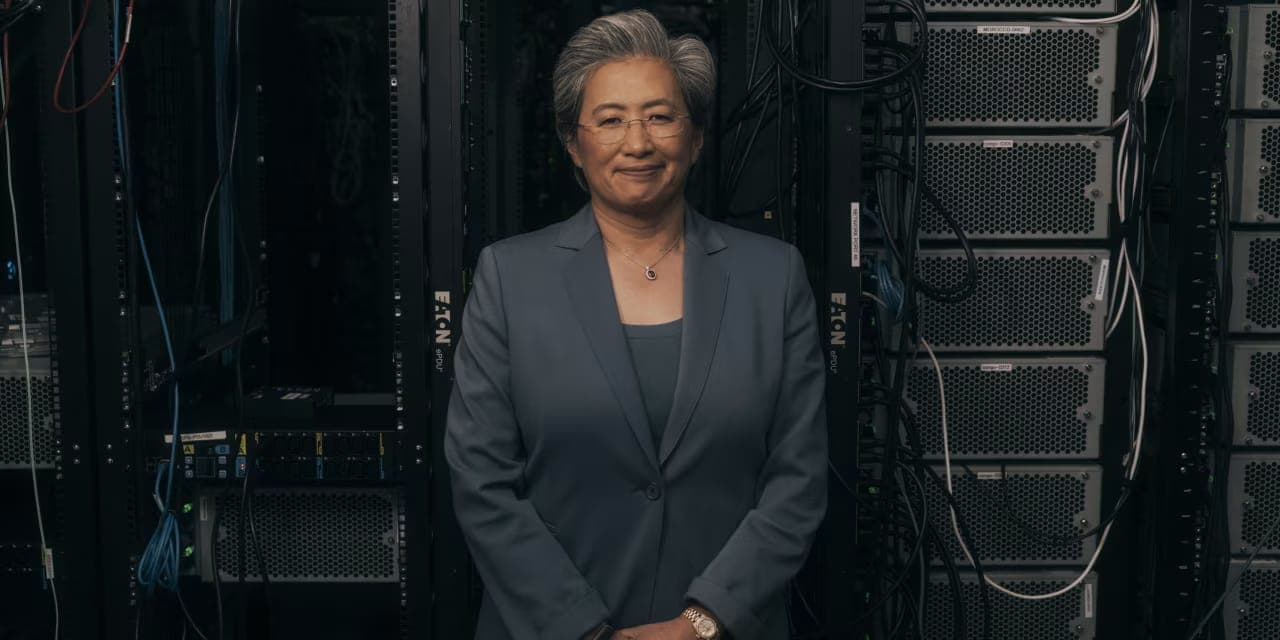
Exclusive | AMD and Anthropic Sign Major Chips-and-Investment Deal — Wall Street Journal
Highlight
Claude Opus 5 Ships as the New Default Opus
Opus 5 is now the default Opus model, with a 1M context window and fast mode priced at $10/$50 per Mtok. The /model picker labels it as Opus (1M context), the claude-api skill defaults to it with a migration path from Opus 4.8, and /fast now targets Opus 5 and Opus 4.8 (Opus 4.7 is out of fast mode). For guidance on adapting your prompts, see the new rules of context engineering for Claude 5 generation models.
Worth Knowing
Subagents Can Nest Three Levels Deep
Subagents can now spawn their own subagents up to depth 3 by default, and stream-json forwards text from nested subagents when --forward-subagent-text is set, keyed by the spawning agent's tool_use id. Set CLAUDE_CODE_MAX_SUBAGENT_SPAWN_DEPTH=1 to disable nesting, and note that a 20-agent concurrency cap (override with CLAUDE_CODE_MAX_CONCURRENT_SUBAGENTS) still applies.
Dynamic Workflows Default to a Size Guideline
Dynamic workflows now default to a medium size guideline aiming for fewer than 15 agents, and the current default appears in the running-workflow status line. Change it via Dynamic workflow size in /config, or set workflowSizeGuideline from any settings file to hide the /config row entirely.
/code-review Now Runs in the Background
/code-review runs as a background subagent so its output no longer fills your active conversation, and it keeps stacked slash commands as its review target. Related fixes: /ultrareview now accepts descriptive arguments like "review my auth changes" as a note applied to findings, and /code-review ultra no longer silently falls back to a local review in non-interactive sessions.
Emoji Shortcode Autocomplete Lands in the Prompt
Type :heart: to insert an emoji, or :hea to get suggestions in the prompt input. Disable it with the emojiCompletionEnabled setting.
New DirectoryAdded Hook and Sandbox Controls
A DirectoryAdded hook now fires after /add-dir or the SDK's register_repo_root control request registers a working directory mid-session. On the sandbox side, sandbox.network.strictAllowlist denies non-allowlisted hosts for sandboxed commands without prompting, and sandbox.filesystem.disabled skips filesystem isolation while keeping network egress control.
Under the Hood
Long Sessions Stop Stalling on Message Normalization
A quadratic cost in message normalization that caused multi-second stalls and slow resumes in long sessions is fixed, alongside a memory leak where truncated MCP tool outputs kept the full untruncated result in memory for the rest of the session.
Windows Paths, Auto-Update, and Session Lifecycle Fixes
Windows paths with \u-prefixed segments (like C:\Users\unicorn) no longer get corrupted into CJK characters in tool inputs, failed Windows auto-updates now restore the preserved claude.exe automatically, and CLAUDE_CODE_GIT_BASH_PATH is ignored with a warning when it doesn't point at a bash/sh binary. Session lifecycle fixes include cloud sessions re-running interrupted turns after a container restart, resumed background agent sessions restoring the agent's prompt and tool restrictions, and remote sessions no longer sending heartbeats forever after their worker was replaced.
From Anthropic


In the News




With Opus 5 as the default and subagents allowed to nest, this is a good week to revisit your workflow sizes and agent hierarchies before they grow on their own.