Code Review Replaces Simplify, Plus Anthropic's First Profitable Quarter
The simplify command becomes code-review with effort levels and inline PR comments. Usage now itemizes consumption by skills, subagents, plugins, and MCP servers. And Anthropic is reportedly tracking toward its first profitable quarter on roughly eleven billion dollars in Q2 revenue.
Chapters
Transcript
I'm Shannon, and this is the Claude Notes Brief -- Claude Code updates and Anthropic news for the week of May twenty-fifth. The simplify command has a new name and a new job. Usage now shows you exactly what's eating your limits. And Anthropic is on pace for its first profitable quarter.
Let's start with Claude Code -- the simplify command is gone, replaced by a rebuilt code review command that focuses on finding correctness bugs. You pick an effort level, so you can ask for a quick pass or a deep one. There's also a comment flag that posts findings as inline comments directly on a GitHub pull request, which makes it easy to slot into an existing review workflow. The catch -- if you had scripts wired to the old simplify command, those will need updating, because the cleanup-and-fix behavior it used to do is no longer there.
That theme of giving you clearer signals continues with the usage command, which now itemizes consumption by skills, subagents, plugins, and per-MCP-server cost. If you've been bumping into caps and guessing at the cause, you now get direct attribution -- you can see which skill or which MCP server is actually driving the spend. Model selection got a quieter but meaningful change in the same direction. When you switch models, the change now applies only to your current session.
If you want a new default for future sessions, there's a separate keystroke in the picker to set that. And resumed sessions keep whatever model they originally ran with, instead of inheriting a selection from somewhere else. It's a small fix, but it removes a category of confusion where your model choice leaked across sessions. Background sessions also got better integration this week.
Sessions started in the background, either with the background flag or from agent view, now show up in the resume list alongside interactive ones, marked so you can tell them apart. Subagent completion notifications now include how long the job actually took. And pinned background sessions stay alive when idle, restart in place to pick up Claude Code updates, and are only shed under memory pressure after unpinned sessions. So a long-running agent you've pinned can survive an update without you babysitting it.
On the under-the-hood side, the theme this week was closing gaps -- both in permissions and in startup reliability. Several permission bypasses got tightened. Built-in PowerShell shortcuts for changing directories no longer slip past the working directory tracker. Bare variable assignments in Bash are no longer auto-approved.
And the sandbox write allowlist inside git worktrees now scopes to the dot-git folder instead of the entire repo root. PowerShell prefix and wildcard allow rules also now match native executables the way they were supposed to. The other big quality-of-life fix -- startup will no longer hang for over a minute on network issues. Side-channel API calls now time out after fifteen seconds, so captive portals, corporate firewalls, and flaky VPNs stop freezing things up.
Terminal output also self-heals after missed resize events, so you don't need to manually redraw the screen anymore. And SDK and headless MCP startup is up to two seconds faster when you're working with slow servers.
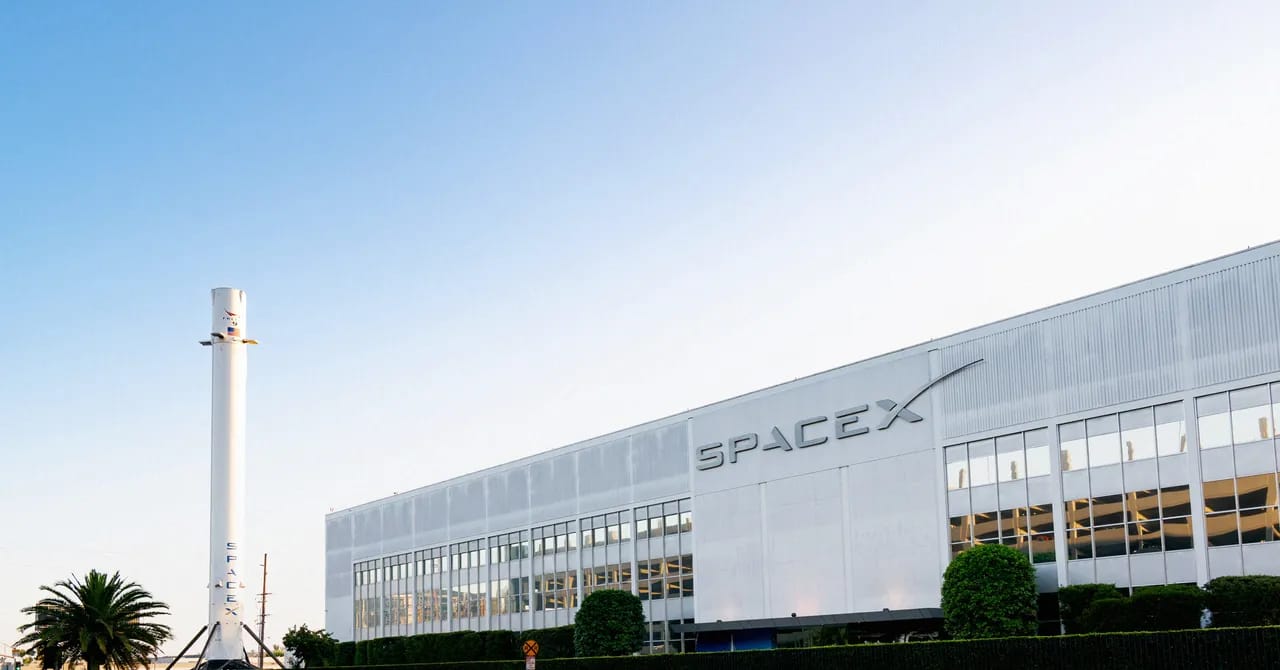
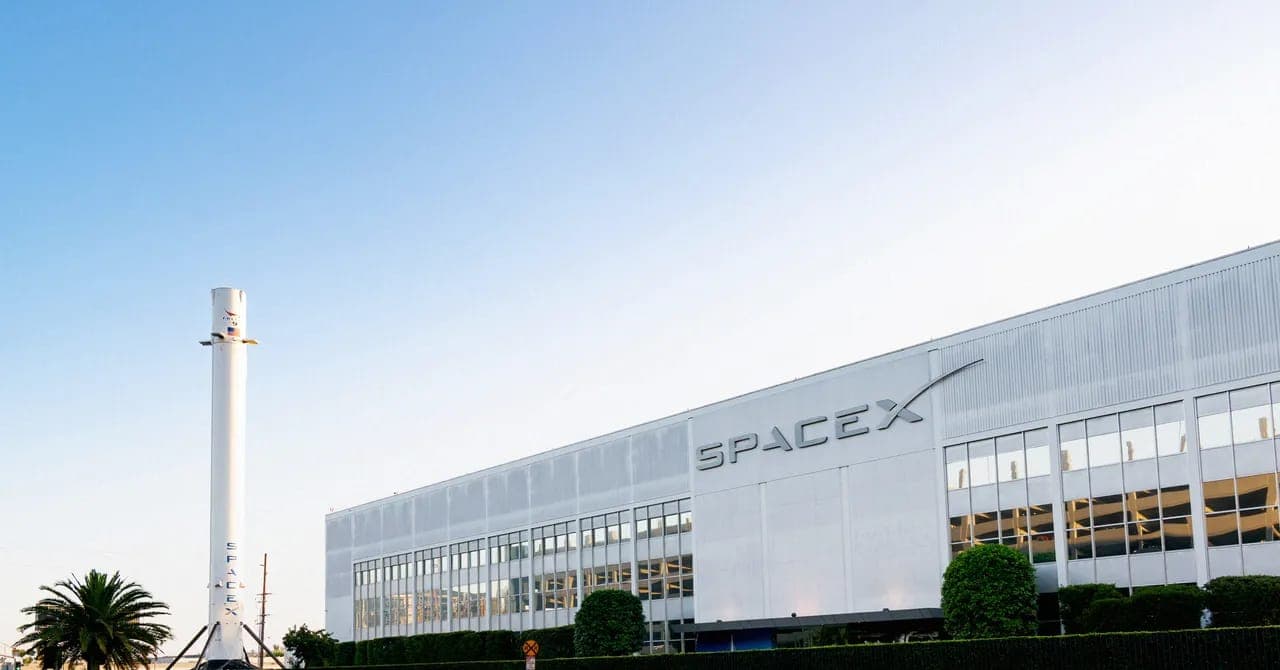
Over to the broader Anthropic news, and the headline is financial. Bloomberg is reporting that Anthropic is on pace for its first profitable quarter, on roughly ten point nine billion dollars in Q2 revenue. That's useful context for how aggressively the company can keep funding the compute behind Claude Code's usage limits. On the compute side -- Wired surfaced a detail from SpaceX's IPO filing showing Anthropic is paying about fifteen billion dollars a year, or roughly one point two five billion a month, for SpaceX-operated data center capacity.
It's a concrete data point on the cost structure behind Claude's capacity. On the talent and tooling side, the Wall Street Journal is reporting that Andrej Karpathy, the Tesla alum and OpenAI co-founder, is joining Anthropic on the research side. And TechCrunch reports Anthropic has acquired Stainless, the SDK generation startup used by OpenAI, Google, and Cloudflare. That acquisition is likely to shape how the Anthropic and Claude Code SDKs evolve over the next few releases.
That's it for the brief. I'm Shannon, and we'll see you next week.
Show Notes
- Using Claude Code: The unreasonable effectiveness of HTMLclaude.com
- New in Claude Managed Agents: self-hosted sandboxes and MCP tunnelsclaude.com
- Anthropic on Pace for First Profitable Quarter as Revenue Surgesbloomberg.com
- SpaceX IPO Filing Reveals Anthropic Is Paying $15 Billion a Year to Access Its Data Centerswired.com
- Andrej Karpathy, Tesla Alum and OpenAI Co-Founder, Joins Anthropicwsj.com
- Anthropic has acquired the dev tools startup used by OpenAI, Google, and Cloudflaretechcrunch.com