Fork Goes Background, Runaway Agents Get Capped, and Anthropic Eyes an IPO
The fork command now spawns background sessions and hard caps stop runaway agents. Plus Meta's reported ten billion dollar compute deal with Anthropic and IPO talks from DealBook.
Chapters
Transcript
I'm Shannon, and this is the Claude Notes Brief -- Claude Code updates and Anthropic news for the week of July twentieth. The fork command now spawns background sessions, and runaway agents get hard caps. Plus Meta is reportedly in talks for a ten billion dollar compute deal with Anthropic.
Let's start with Claude Code -- the theme this week is containment, starting with a rework of how the fork command behaves. When you fork a conversation now, it copies your session into a new background session that shows up as its own row in the agent dashboard. The old in-session subagent behavior didn't go away -- it just moved to a separate subtask command. If you had scripts or agent configs that relied on fork's old semantics, that's the one to double-check.
Building on that same containment theme, Anthropic added session-wide caps to stop runaway agents. Web searches are now capped at two hundred per session. Subagent spawns are capped at two hundred as well, and that counter resets when you clear the conversation. And any MCP tool call that runs longer than two minutes now moves to the background automatically, so a slow tool can't block your session.
Together these change how you should think about parallelizing work -- you have real ceilings now, which means you can let agents run more freely without worrying about one going off the rails. Related to containment in a different sense, Claude Code picked up a new tool called EndConversation that lets Claude terminate a session with highly abusive users or jailbreak attempts. That behavior has been on claude dot ai since last year, and now it extends into the coding tool. Anthropic published a research post explaining the rationale, and we'll link it in the show notes.
A few smaller workflow changes worth flagging. Typing resume from inside the agent view now opens a picker of past sessions -- including ones you deleted from the list -- and revives your pick as a background session. Subagents now inherit the parent session's permission mode by default, and the per-task mode override is deprecated. And the verify and code review skills are now manual only -- Claude won't run them on its own anymore, so invoke them explicitly when you want that behavior.
On accessibility, there's a new opt-in screen reader mode that renders plain text for assistive tech, and Vim users get a setting to remap two-key insert-mode sequences like j-j to Escape.
Moving under the hood -- security and performance both got attention this week. On the security side, the team hardened permission checks in bash and PowerShell, closing several gaps at once. There was a bypass in Windows PowerShell five point one sessions, some file-descriptor redirect forms that bash parses differently, commands over ten thousand characters that now always prompt, and certain help and man invocations that could run unsafe options. Plan mode also no longer auto-runs file-modifying bash commands like touch and remove without a permission prompt.
The common thread: fewer ways for a clever command string to slip past the permission layer. On performance, long sessions got substantially lighter. The team fixed several memory leaks that showed up over time -- MCP stderr buffers that could balloon to sixty-four megabytes per server, unbounded language server document caches, and runaway growth from large tool results in headless and SDK sessions. Session transcript size dropped by up to seventy-nine times in edit-heavy sessions thanks to pruning superseded file-history backups.
And print and SDK sessions with many MCP tools see up to seven times faster tool rounds from a new tool-pool cache. If you've been running Claude Code in long-lived automation, this is the week that pays off.
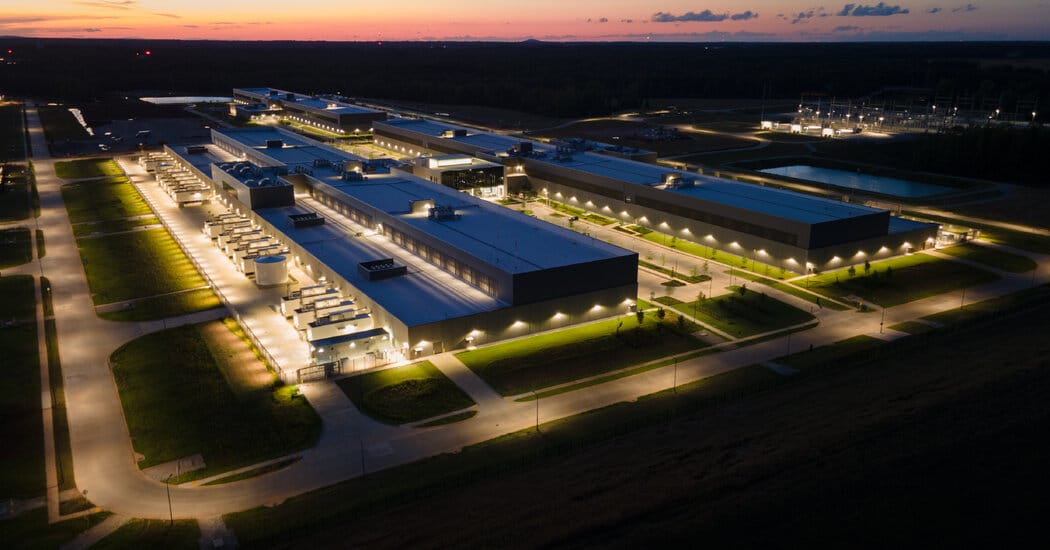
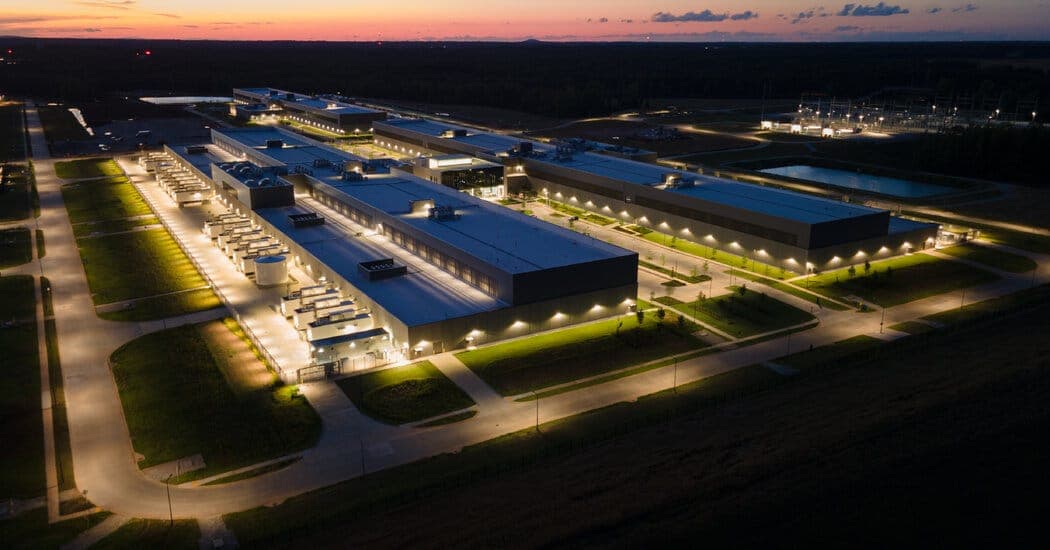
Over to the broader Anthropic news. The New York Times is reporting that Meta is in talks to lease computing power to Anthropic in a deal potentially worth ten billion dollars. It's another data point on the compute buildout underpinning the Claude models you use every day, and a notable one given the two companies aren't exactly close collaborators otherwise. On a related financial thread, DealBook reports Anthropic is lining up investor meetings as an IPO approaches.
Useful context if you're betting on Claude Code as a long-term platform inside your org. Bloomberg published a feature on how Anthropic and OpenAI tools are reshaping the profession of coding -- good wider context around the tool you spend all day in. And Wired has a piece on why Anthropic is pushing states to regulate AI faster, which is relevant if you're tracking how policy could shape deployment options. Two Anthropic blog posts to flag as well.
One is a walkthrough of how Anthropic runs large-scale code migrations with Claude Code, including Bun's million-line port from Zig to Rust. The other is a CISO's guide to agentic AI from Anthropic's Deputy CISO, laying out a framework for assessing agent risk. Both are linked in the show notes. That's it for the brief.
I'm Shannon, and we'll see you next week.
Show Notes
- Ending a subset of conversationsanthropic.com
- How Anthropic runs large-scale code migrations with Claude Codeclaude.com
- Zero risk isn't the job: a CISO's guide to agentic AIclaude.com
- Meta in Talks to Lease Computing Power to Anthropic in Potential $10 Billion Dealnytimes.com
- For Software Engineers, the AI Reckoning Is Already Herebloomberg.com
- Here's Why Anthropic Is Pushing States to Regulate AI Fasterwired.com
- Anthropic Inches Toward a Mega-I.P.O.nytimes.com