Claude Opus 5 Ships as the New Default
Claude Opus 5 is now the default Opus model, with a one million token context window and a new fast mode tier. Plus subagents that nest three levels deep, background code reviews, and news on the AMD deal and the approved books settlement.
Chapters
Transcript
I'm Shannon, and this is the Claude Notes Brief -- Claude Code updates and Anthropic news for the week of July twenty-seventh. Claude Opus 5 is now the default Opus model. Subagents can now nest three levels deep. And a judge has approved Anthropic's one point five billion dollar books settlement.
Let's start with Claude Code -- the model layer shifted this week, and Claude Opus 5 is now the default Opus model, which touches just about everything else that changed. It comes with a one million token context window, and the model picker labels it clearly as Opus with one million context. There's also a new fast mode tier for Opus 5, priced at ten dollars and fifty dollars per million tokens for input and output. Fast mode now targets Opus 5 and Opus four point eight, while Opus four point seven has dropped out of fast mode entirely.
If you've been running the API skill, it now defaults to Opus 5 with a migration path from four point eight, so the transition is handled for you. And if you write prompts for these newer models, Anthropic published a piece on context engineering for the Claude 5 generation -- we'll link it in the show notes. That expanded context connects to the next change, because bigger agent hierarchies are now possible. Subagents can spawn their own subagents, up to three levels deep by default.
A twenty-agent concurrency cap still applies, and you can turn nesting off if you'd rather keep things flat. To keep those hierarchies from growing without limits, dynamic workflows now default to a medium size guideline, aiming for fewer than fifteen agents, and the current default shows up right in the running-workflow status line. Code review also changed. It now runs as a background subagent, so its output no longer fills up your active conversation while you keep working.
Alongside that, the ultra review command now accepts a plain-language note like review my auth changes, and applies it to the findings. And one smaller touch -- you can now type emoji shortcodes right in the prompt, so typing colon heart colon inserts the emoji, with suggestions as you go. It's off-by-a-setting if you'd rather skip it.
On the performance and stability side, the theme this week was long sessions holding up better over time. The team fixed a quadratic cost in message normalization that caused multi-second stalls and slow resumes in long-running sessions, so extended work stays responsive. They also closed a memory leak where truncated tool outputs kept the full untruncated result in memory for the rest of the session. Windows users got a batch of fixes too.
Paths with backslash-u segments, like a folder named unicorn, no longer get corrupted into unexpected characters in tool inputs, and a failed auto-update now restores the preserved executable automatically. Session lifecycle work rounds it out -- cloud sessions now re-run interrupted turns after a container restart, resumed background agents restore their original prompt and tool restrictions, and remote sessions stop sending heartbeats forever once their worker has been replaced.
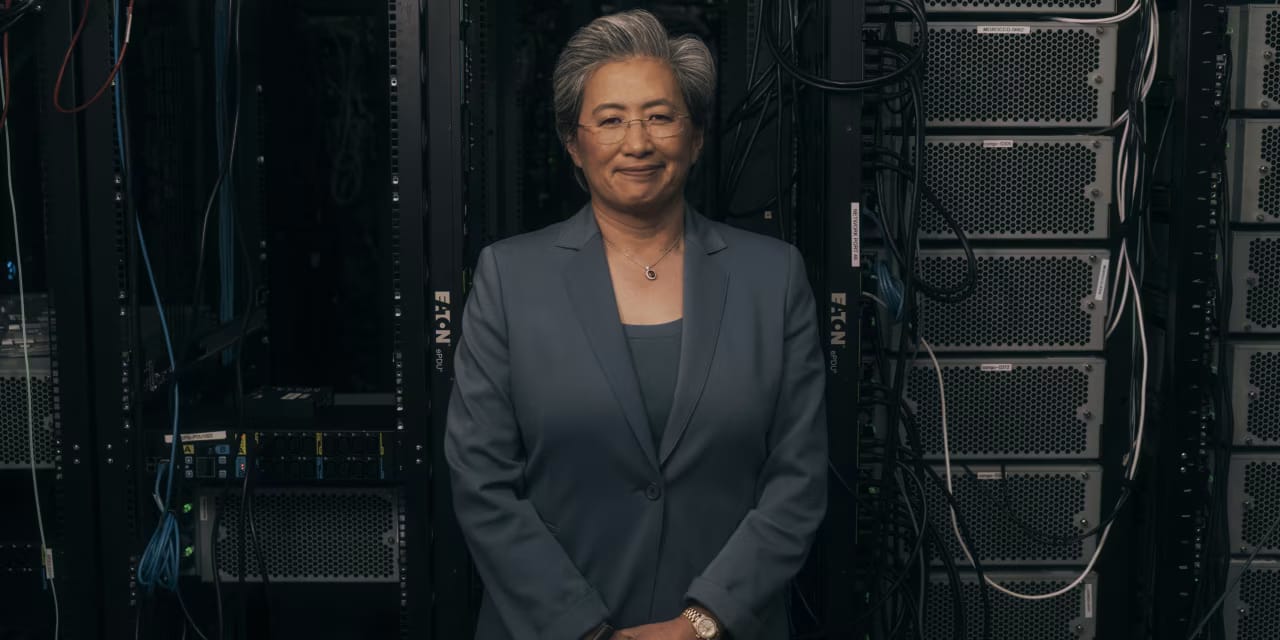
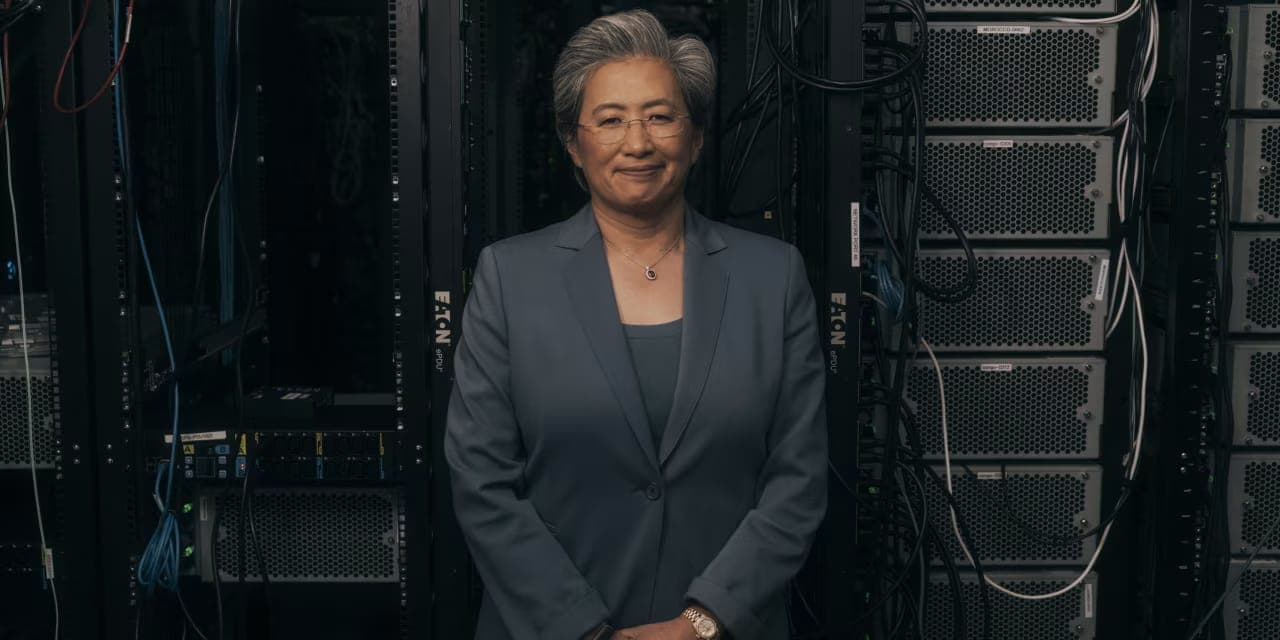
Now to the broader Anthropic news, and it centers on the same model. Bloomberg has a piece on Opus 5, framed around cost pressures as businesses weigh their AI spend -- useful context for why the pricing on the model you now default to lands where it does. On the compute side, the Wall Street Journal reports that AMD and Anthropic have signed a chips-and-investment deal. AMD will sell Anthropic tens of billions of dollars in AI servers and invest up to five billion dollars in the company -- another marker in the buildout behind the Claude models.
There's also a legal milestone. The Associated Press reports that a judge has approved Anthropic's one point five billion dollar settlement over pirated books used in training, with Bloomsbury among the beneficiaries. And looking further ahead, The Information reports Anthropic is weighing mandatory employee stock trading plans after it goes public -- a signal on how the company is preparing for public markets. That's it for the brief.
I'm Shannon, and we'll see you next week.
Show Notes
- Introducing Claude Opus 5anthropic.com
- The new rules of context engineering for Claude 5 generation modelsclaude.com
- Anthropic Unveils More Cost-Efficient Model for Everyday Tasksbloomberg.com
- AMD and Anthropic Sign Major Chips-and-Investment Dealwsj.com
- Judge approves a $1.5B Anthropic settlement over pirated booksapnews.com
- Anthropic Considers Unusual Plan for Employee Stock Sales After It Goes Publictheinformation.com